
General & Hernia Surgery
Umbilical Hernia Repair
Correcting hernias around the belly button
Overview
An umbilical hernia occurs when tissue protrudes through a weak spot in the abdominal wall near the navel, appearing as a bulge that may become more noticeable when straining or coughing.
While common in infants (often resolving on its own), umbilical hernias in adults typically require surgical repair, as they do not close spontaneously.
Candidacy
Is Umbilical Hernia Repair Right for You?
- A visible or palpable bulge at or near the belly button
- Discomfort that worsens with straining or physical activity
- An adult umbilical hernia (which will not resolve without surgery)
- Fit for a general or regional anaesthetic
What to Expect
Your Journey
- 01
Consultation
Clinical assessment of the hernia size and abdominal wall to plan the most suitable repair technique.
- 02
Procedure
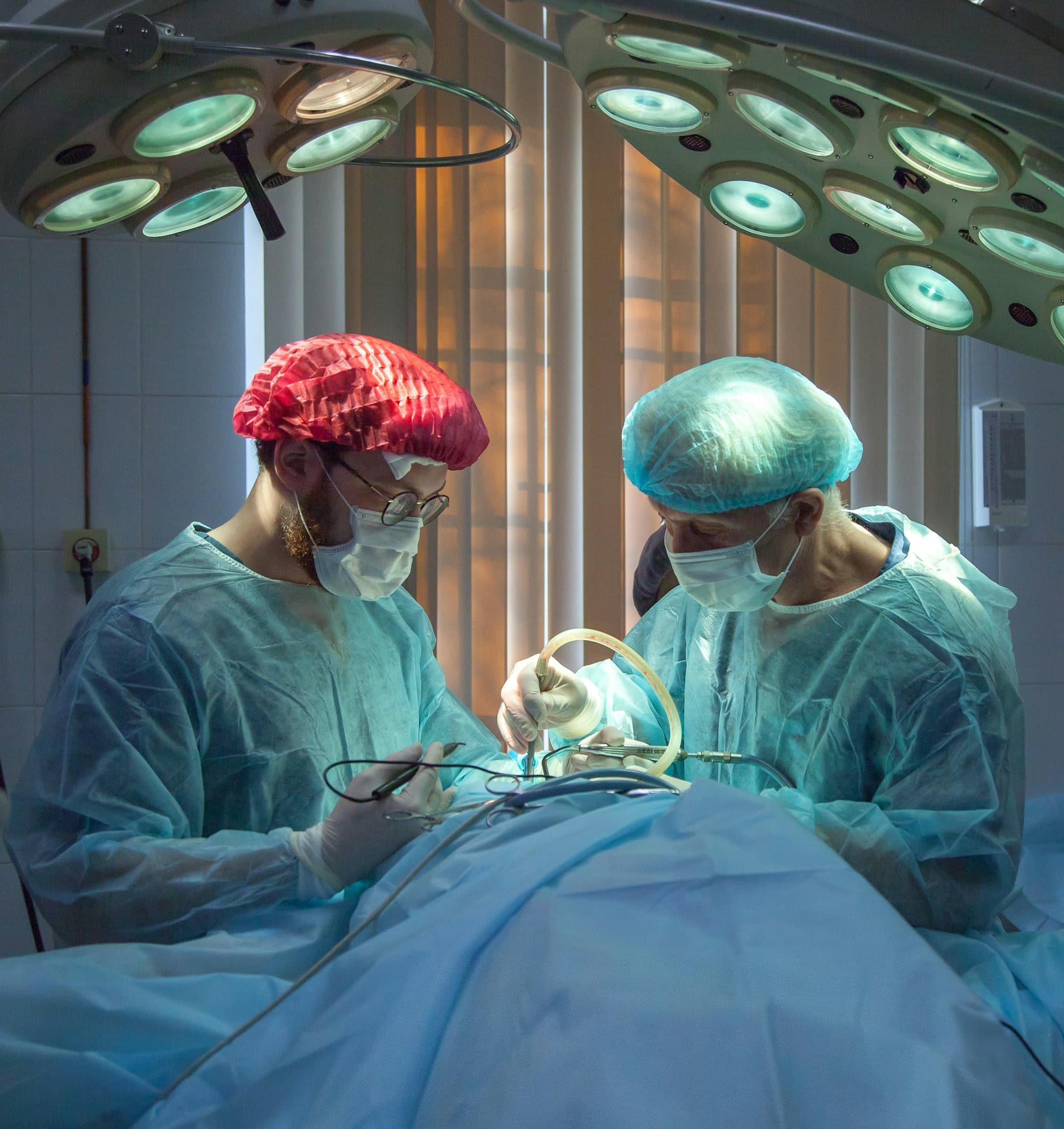
Performed under general or regional anaesthesia, repairing the defect with sutures or mesh depending on its size.
- 03
Recovery
Most patients go home the same day, with activity gradually increased over the following weeks.
Recovery
Recovery & Aftercare
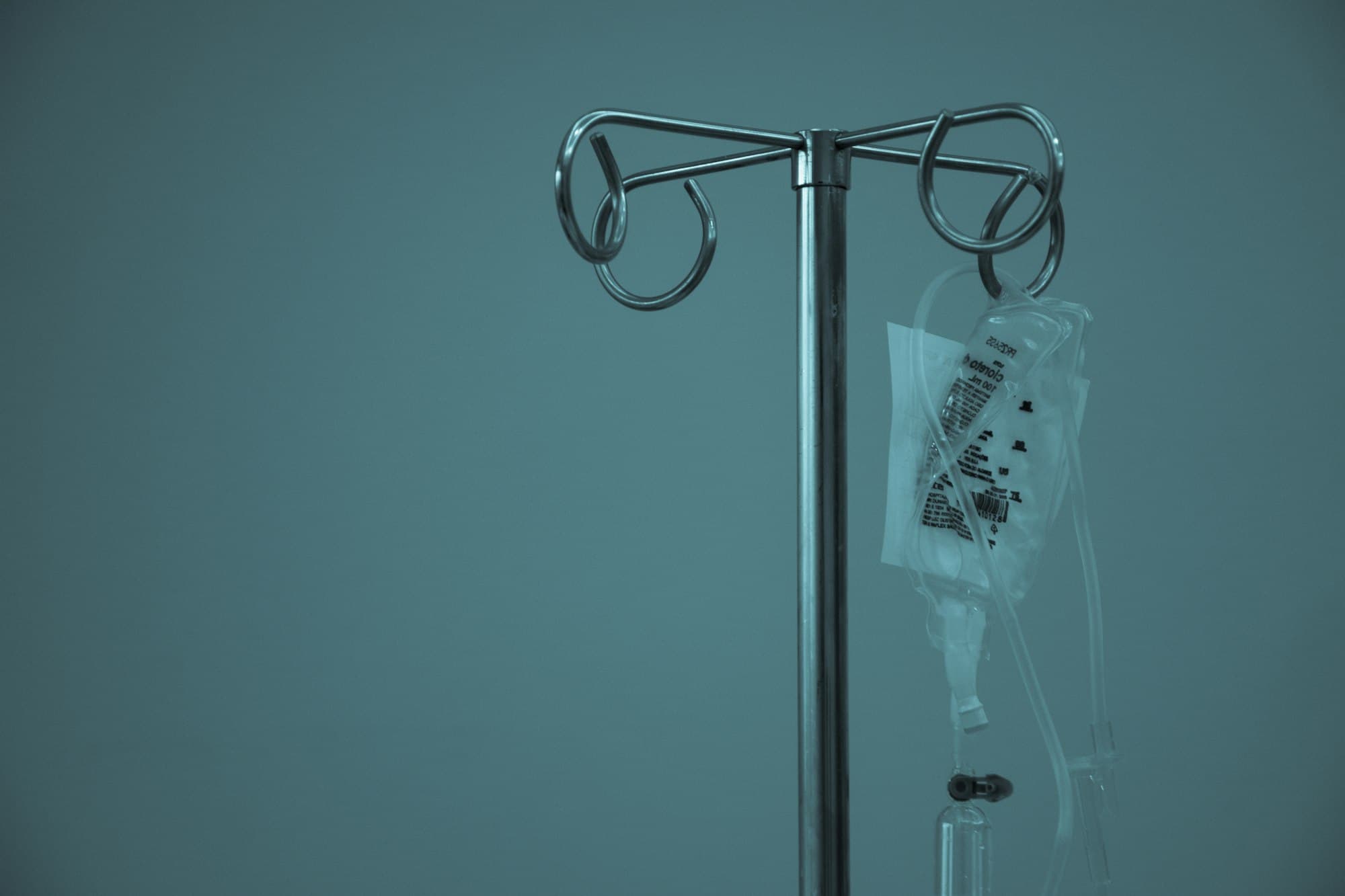
Light activities can typically resume within days; heavier lifting is restricted for several weeks while the repair heals fully.
FAQ
Frequently Asked Questions
Do umbilical hernias in adults ever close on their own?
No — unlike in infants, adult umbilical hernias require surgical repair as they do not close spontaneously.
Is this a same-day procedure?
Most patients are able to go home the same day, depending on hernia size and overall health.
What happens if it's left untreated?
Untreated hernias can enlarge over time and carry a risk of complications, so timely evaluation is recommended.

Interested in Umbilical Hernia Repair?
Book a consultation to discuss your goals and find out whether this procedure is right for you.